

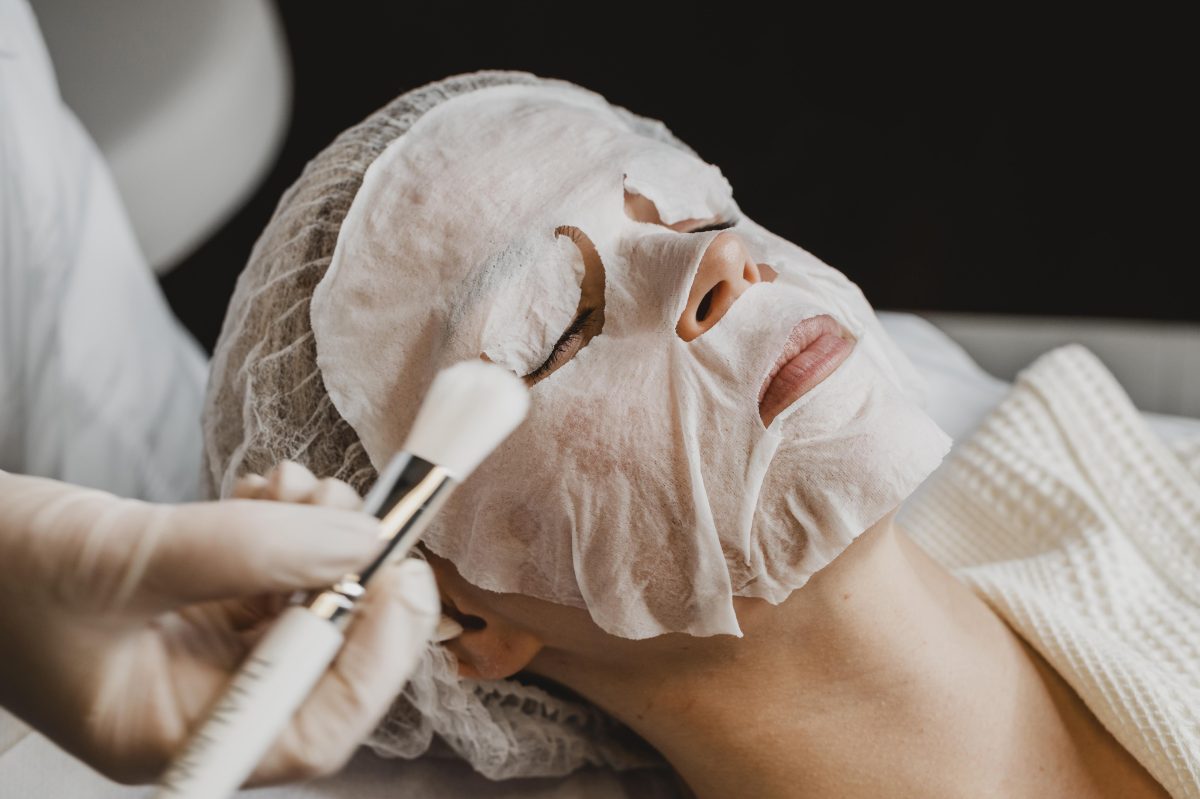
Hyperpigmentation is standard, with treatments like chemical peels being effective. They exfoliate and improve skin tone, leading to a brighter complexion. But are chemical peel treatments for pigmentation worth the investment?
Understanding Chemical Peels for Pigmentation
Chemical peels are a popular skin treatment that enhance skin tone and texture by applying a chemical solution to exfoliate and promote cell turnover. They effectively address hyperpigmentation issues like sunspots, melasma, and post-inflammatory pigmentation.
Effectiveness of Chemical Peels for Pigmentation
The effectiveness of chemical peels depends on pigmentation type and peel depth. Superficial peels (glycolic or lactic acid) offer mild exfoliation, while medium-depth peels (TCA) address stubborn pigmentation. Deep peels provide significant results but require downtime and may not be suitable for all skin types. Multiple sessions are often needed, and professional assessment like acne diagnosis and clinical management is crucial.
Cost vs. Results: Is It Worth It?
The cost of chemical peels ranges from $100 to over $600, depending on the type and practitioner. Multiple sessions may be required, increasing the total expense. They are generally more affordable than laser therapy, and with proper skincare, results can be long-lasting, making them a worthwhile investment.
Who Should Consider Chemical Peels?
Chemical peels are suitable for mild to moderate pigmentation and require diligent post-treatment care, especially sun protection. Those with sensitive skin, active acne, or darker skin tones should consult experts on skin tightening in Brisbane to prevent complications like hyperpigmentation.

What Happens During a Chemical Peel Treatment for Pigmentation?
A typical chemical peel treatment for pigmentation begins with a skin consultation to assess tone, sensitivity, and the type of pigmentation present, whether that’s sun damage, melasma, or marks left behind from acne. The skin is then thoroughly cleansed before the chemical solution—often containing glycolic, lactic, salicylic, or trichloroacetic acid—is applied in controlled layers. Most clients feel a mild tingling or warming sensation during application, which subsides once the solution is neutralised or left to work, depending on the peel strength used.
Afterwards, skin may appear pink or flushed, with light flaking and peeling typically occurring over the following three to seven days as new, evenly pigmented skin emerges. A dedicated Pro Peel session is tailored to your specific pigmentation concerns and skin type, ensuring the right acid strength and depth are chosen for safe, effective results.
If you’re still deciding between treatment options, our comparison guide on IPL vs chemical peel treatment for pigmentation breaks down which approach suits different pigmentation types, skin tones, and downtime preferences—helping you choose the path that fits your goals and lifestyle best.
Book a Session Now!
Chemical peels are an effective and affordable treatment for pigmentation. Results vary by skin type, peel type, and aftercare. They’re an excellent option for clearer skin.
If you plan on getting a chemical peel treatment for pigmentation, book your session at Grand Plaza Beauty. Call us now!